Water damage can quickly turn into one of the most expensive and disruptive problems a property owner faces. Whether it’s a slow plumbing leak, roof failure, storm damage, or an HVAC issue, wet drywall should never be ignored. In both homes and commercial buildings, moisture trapped behind walls and ceilings can lead to structural damage, mold growth, and costly repairs if not handled properly.
Here’s what typically needs to be done when repairing water-damaged drywall in a home or business.
1. Identify and Stop the Source of Water
Before any drywall repair begins, the source of moisture must be identified and corrected. Common causes include:
Leaking pipes inside walls
Roof leaks
Faulty windows or doors
HVAC condensation issues
Appliance leaks (water heaters, dishwashers, ice makers)
Repairing drywall without fixing the source will only lead to repeat damage.
2. Assess the Extent of the Damage
Not all water damage is visible. A professional will:
Inspect for soft spots or sagging drywall
Check for bubbling paint or peeling texture
Look for staining and discoloration
Use moisture meters to detect hidden dampness
Evaluate insulation behind the drywall
In commercial spaces, additional inspection may be required due to building codes and larger ceiling systems.
3. Remove Damaged Drywall
If drywall has absorbed water, it often cannot be saved. Wet drywall loses structural integrity and can harbor mold. The repair process may involve:
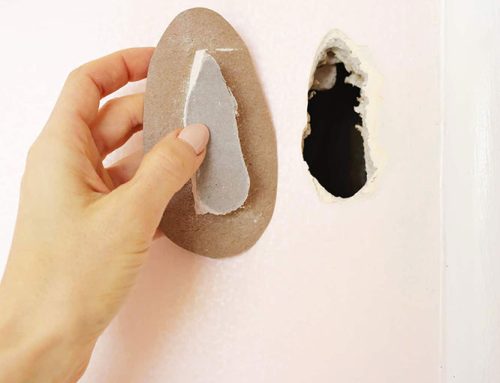
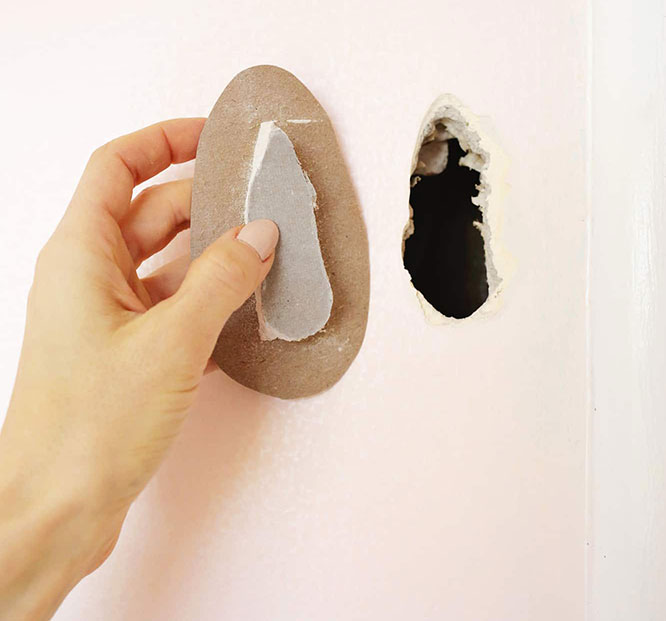
Cutting out affected drywall sections
Removing damaged insulation
Allowing wall cavities to dry completely
Using industrial fans or dehumidifiers
In businesses, containment barriers may be set up to prevent disruption to daily operations.
4. Mold Prevention & Treatment
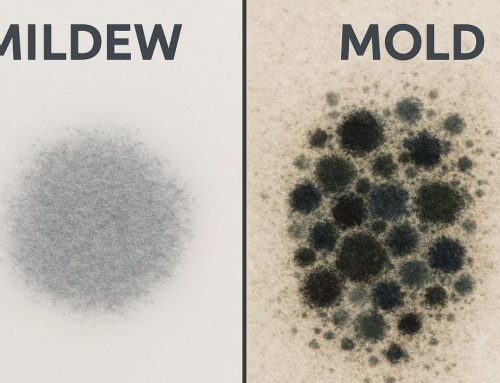
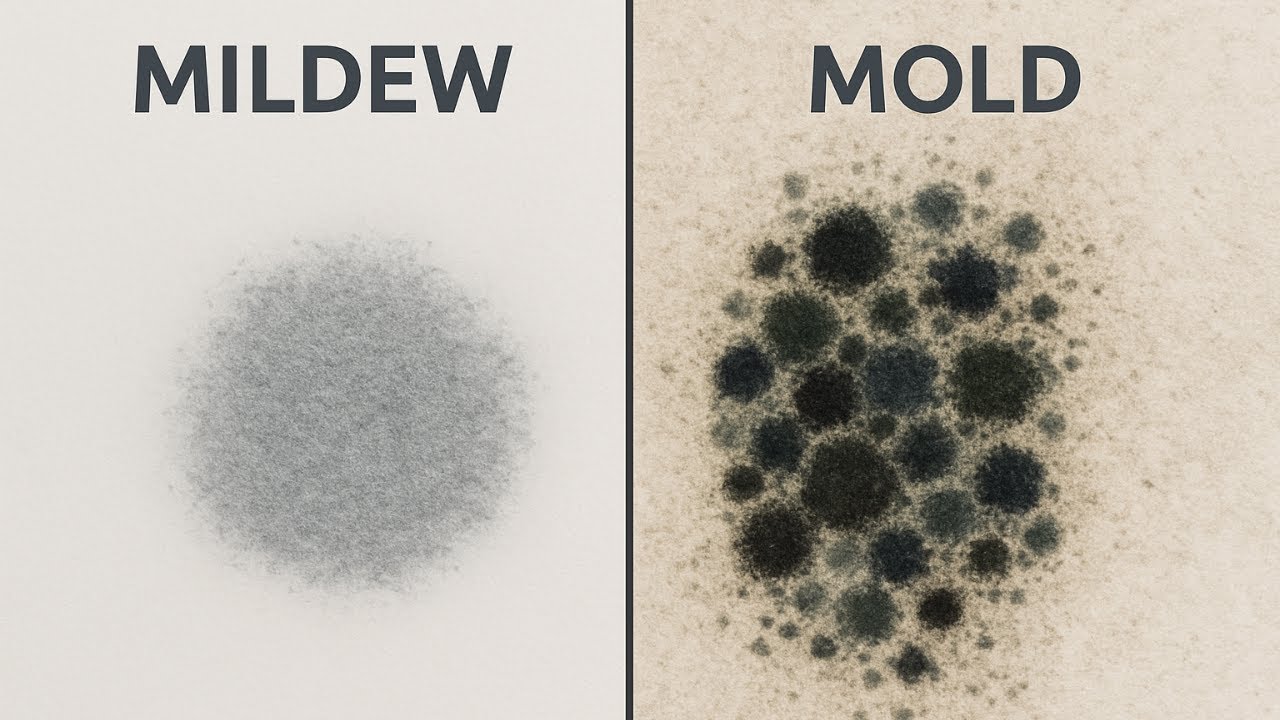
Moisture creates the perfect environment for mold growth — sometimes within 24–48 hours. If mold is detected:
Affected materials are safely removed
Antimicrobial treatments may be applied
Proper drying and ventilation are ensured
In commercial settings, mold remediation may require compliance with safety and health regulations.
5. Drywall Replacement & Installation
Once the area is completely dry, new drywall is installed. This includes:
Measuring and cutting replacement panels
Securing drywall properly to framing
Reinstalling insulation if necessary
Ensuring proper sealing and support
For ceilings, extra care is taken to prevent sagging and ensure structural stability.
6. Taping, Mudding & Texture Matching
After installation, finishing work begins:
Taping seams
Applying joint compound (multiple coats)
Sanding smooth
Matching existing wall or ceiling texture (smooth, knockdown, orange peel, etc.)
Texture matching is especially important so repairs blend seamlessly with surrounding surfaces.
7. Priming & Painting
The final step is restoring the appearance of the space:
Stain-blocking primer to prevent bleed-through
Matching paint color and finish
Repainting the repaired area or entire wall/ceiling if needed
In commercial properties, work may be scheduled after hours to minimize downtime.
Special Considerations for Businesses
Water damage in offices, retail stores, or commercial buildings may also involve:
Drop ceiling tile replacement
Fire-rated drywall requirements
ADA and safety compliance
Coordination with property managers and insurance adjusters
Minimizing disruption and maintaining a professional appearance is often a top priority.
When to Call a Professional
Small surface stains may only require cosmetic repair, but you should contact a professional if you notice:
Sagging ceilings
Crumbling drywall
Persistent musty odors
Visible mold
Large water stains
Repeated leaks
Professional drywall repair ensures the problem is fully resolved — not just covered up.
Protecting Your Property Long-Term
After repairs, consider preventative steps:
Routine roof inspections
Plumbing checks
Installing leak detection systems
Maintaining HVAC systems
Improving ventilation in high-moisture areas
Addressing water issues early can prevent extensive structural damage and protect the value of your home or business.
Final Thoughts
Water-damaged drywall isn’t just an eyesore — it can compromise structural integrity and indoor air quality. Proper repair involves more than patching and painting. It requires identifying the source, removing compromised materials, ensuring complete drying, and restoring the surface professionally.
If you suspect water damage in your home or commercial property, acting quickly can save thousands in future repairs and help maintain a safe, healthy environment.
Call Drywall Patch Pro. las Vegas. Contact Us Here