When drywall is damaged—whether from water leaks, holes, cracks, or everyday wear and tear—repairing the surface is only part of the job. One of the most important steps in the drywall repair process is matching the existing wall texture. If the texture isn’t blended correctly, even a perfectly patched wall can stand out and make the repair obvious.
Professional drywall technicians understand that texture matching is what truly restores a wall so it looks like the damage never happened.
Why Texture Matching Matters
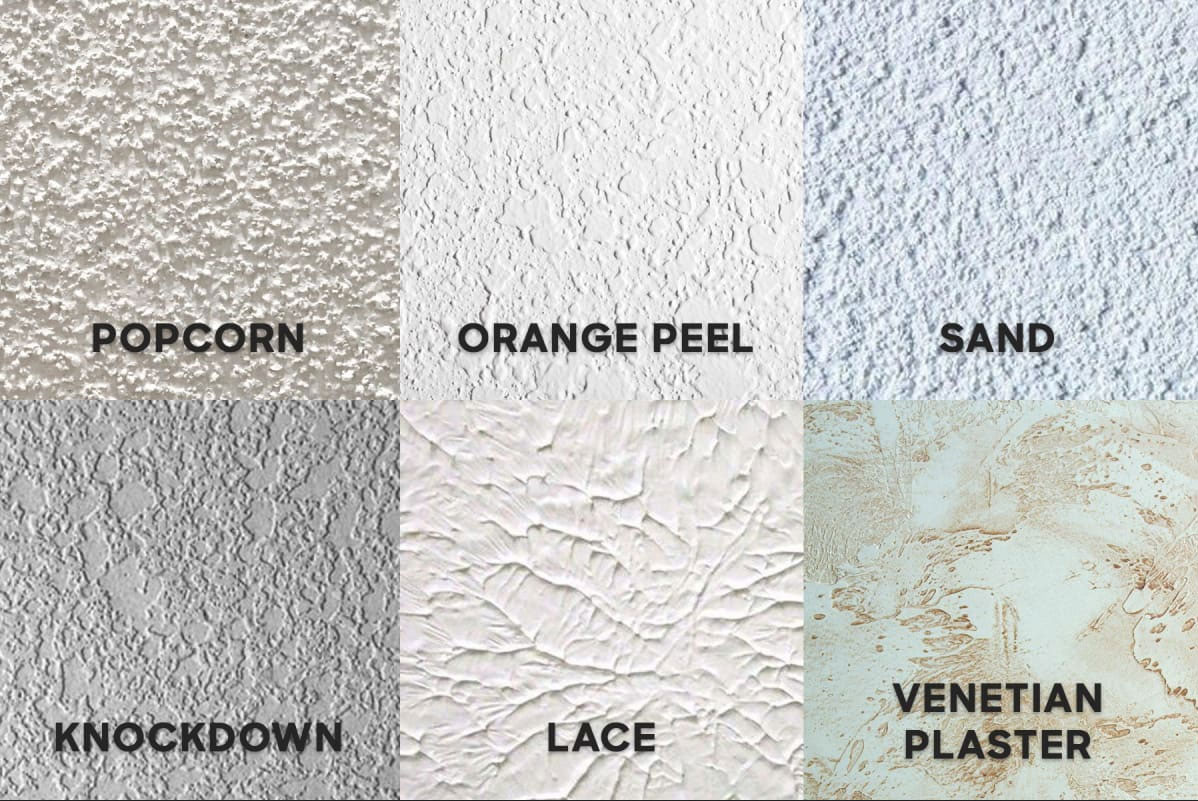
Most homes and businesses do not have perfectly smooth walls. Instead, walls are finished with a texture pattern that adds visual depth and helps hide minor imperfections in the drywall surface. Common textures include orange peel, knockdown, slap brush, and hand-troweled finishes.
When a section of drywall is repaired, the patched area is smooth at first. If the texture isn’t recreated properly, the repaired section will appear flat compared to the surrounding wall. Proper texture matching ensures the repair blends seamlessly with the rest of the room.
Common Causes of Wall Damage
There are many situations where drywall texture needs to be matched after repairs. Some of the most common include:
Water damage from plumbing leaks or roof issues
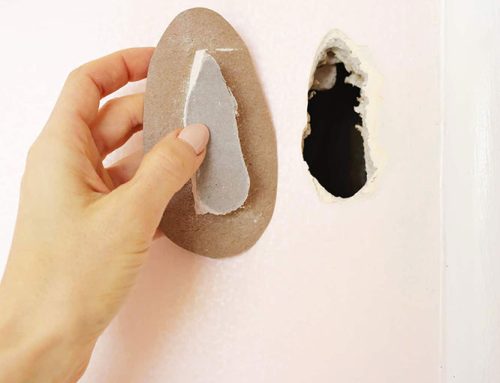
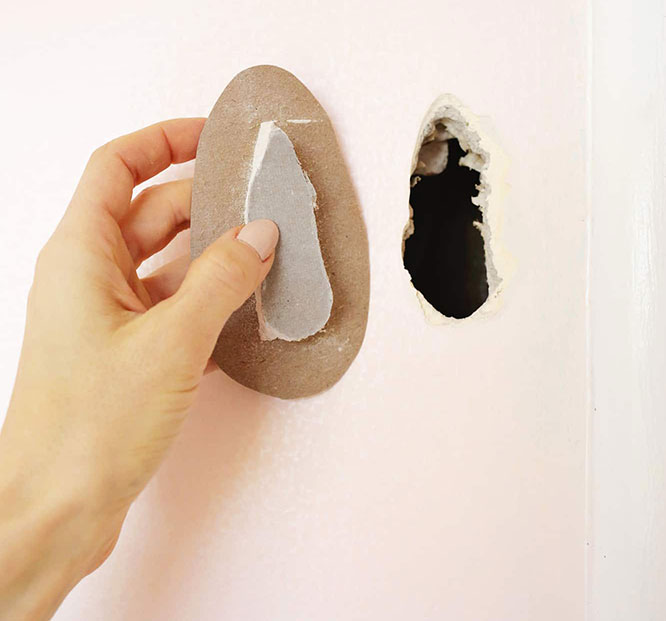
Holes caused by doorknobs or accidents
Electrical or plumbing access cuts in the wall
Cracks caused by settling or impact damage
Removing wall fixtures such as shelves or TVs
After the drywall patch is installed and finished, the texture must be recreated to match the existing pattern.
Understanding Different Wall Textures
Before texture can be matched, it must first be identified. Every home may have slightly different texture patterns, and even the same type of texture can vary depending on how it was originally applied.
Some of the most common textures include:
Orange Peel Texture
This is one of the most common wall textures in modern homes. It has a light, slightly bumpy appearance similar to the skin of an orange. It’s usually applied using a spray technique.
Knockdown Texture
Knockdown texture begins as a sprayed pattern but is lightly flattened with a drywall knife after it partially dries. This creates a softer, more mottled appearance.
Hand-Applied Textures
Some walls are textured using brushes, rollers, or trowels. These patterns can be more artistic and irregular, making them more challenging to match.
The Texture Matching Process
Professional drywall repair specialists follow several steps to recreate wall texture accurately.
1. Preparing the Repair Area
Before texture is applied, the patched area must be completely smooth and free of dust. Joint compound is sanded and feathered so it blends with the surrounding wall.
2. Testing the Texture Pattern
Often, technicians will test spray patterns or application methods on scrap material to ensure the texture matches the surrounding wall.
3. Applying the Texture
Texture can be applied using a spray hopper, aerosol texture products, rollers, brushes, or drywall knives depending on the existing pattern.
4. Blending the Edges
The edges of the textured repair are carefully blended into the surrounding surface so the transition is invisible.
5. Priming and Painting
Once the texture dries, the area is primed and painted to match the rest of the wall.
Why Texture Matching Is Difficult for DIY Repairs
Texture matching is one of the most challenging parts of drywall repair. Even small differences in spray pressure, compound thickness, or drying time can change the final appearance.
Many homeowners attempt repairs only to find that the patched area looks noticeably different once the paint dries. Professionals have experience replicating a wide variety of textures and know how to adjust techniques to achieve a near-perfect match.
Restoring Your Walls to Like-New Condition
When drywall damage occurs, the goal is not just to patch the hole—it’s to restore the entire wall so the repair disappears. Proper texture matching ensures the repaired section blends seamlessly with the rest of the surface.
With the right tools, experience, and attention to detail, a professional drywall repair specialist can make even major wall damage virtually impossible to detect.